My AI Weight Loss Journey: How I Used AI to Lose 15 Pounds
Discover how AI weight loss tools like ChatGPT helped me lose 15 pounds, track calories, and stay motivated after an ACL injury.
My Story Before AI Weight Loss
For context, I’m an active guy—around 180 pounds, six feet tall—who loves rugby and soccer. I normally eat moderately healthy and stay fit through sports. That all changed last November when I tore my ACL playing men’s rugby. By the end of January, I had surgery. This was by far the worst injury I’ve had, outside of a minor ankle sprain.
The injury meant no running, very limited lifting, and absolutely no rugby. I felt stuck. I didn’t want to sit around all day knowing inactivity would hurt my health. Since I couldn’t control my workouts, I turned to the one thing I could control—my nutrition.
That’s where AI weight loss tools came into play.
Where AI Came Into the Picture
I opened ChatGPT (I use the paid subscription) and explained my situation—my weight, my ACL injury, my fitness goals, and what I wanted to achieve. ChatGPT responded with structured suggestions: different apps to track food, steps for calorie counting, and even tips to set realistic goals.
I’d always had a basic idea of “eating healthy” and “counting calories,” but I didn’t fully understand how to apply it. YouTube videos gave me fragments of advice, but never the full picture. Hiring a personal trainer seemed expensive for something I thought I could learn myself.
So, I tried AI. My first prompt looked like this:
“I weigh 200 lbs and tore my ACL. I’m active and play rugby. For the next few months, I want to lose body fat while maintaining muscle. Help me create a plan to achieve this goal.”
ChatGPT then asked me clarifying questions—my timeline, how many pounds per week I wanted to lose, and what my lifting schedule looked like. It felt like a digital personal trainer, except it cost only $20 a month.
Tracking Calories With AI
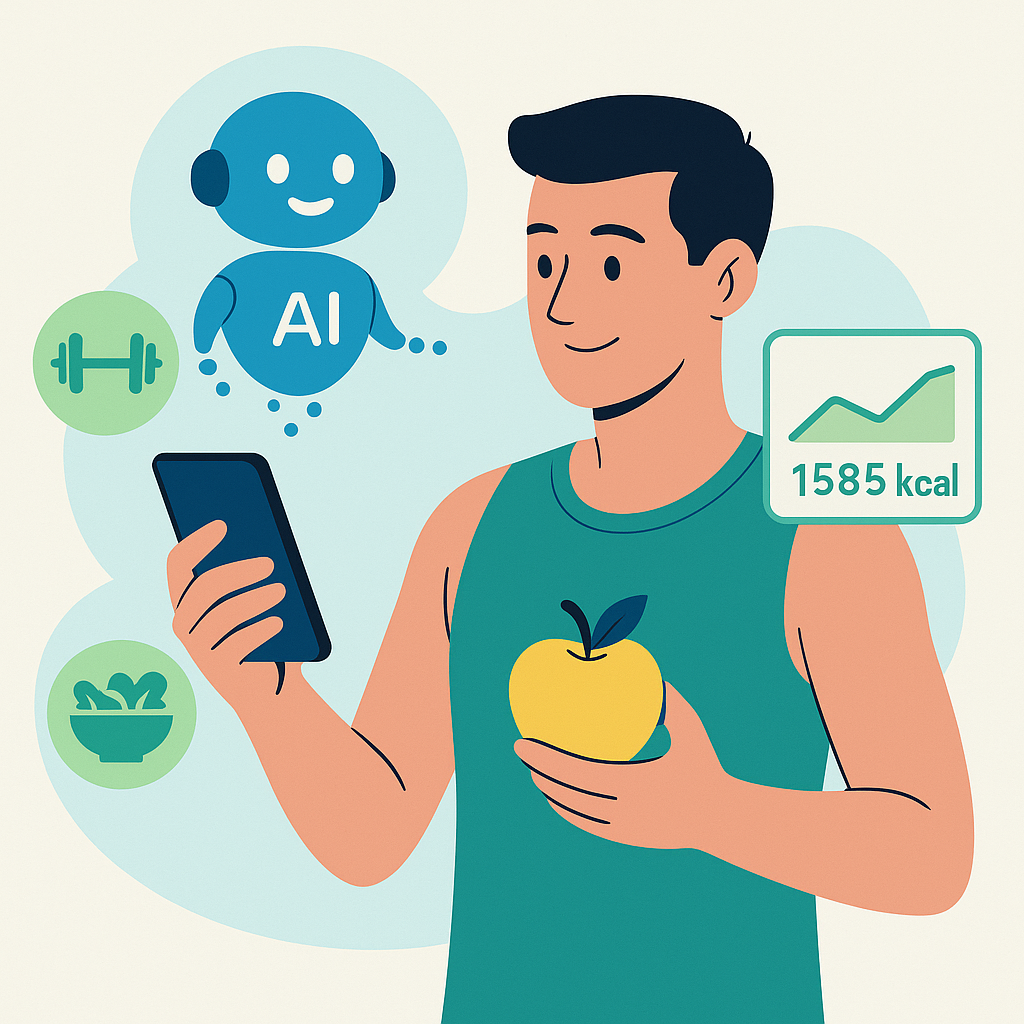
Once I understood the basics, I started calorie counting with ChatGPT’s help. I weighed my food, logged it into the app, and received instant feedback. Sometimes it would suggest small changes like:
- “Let’s add a green veggie to your next meal.”
- “Make sure you’re hitting your water goals today.”
One feature that blew me away was the AI food recognition tool. If I didn’t have time to weigh my food, I could take a picture of my plate and send it to ChatGPT. All it asked was that I include a reference object, like a fork or spoon.
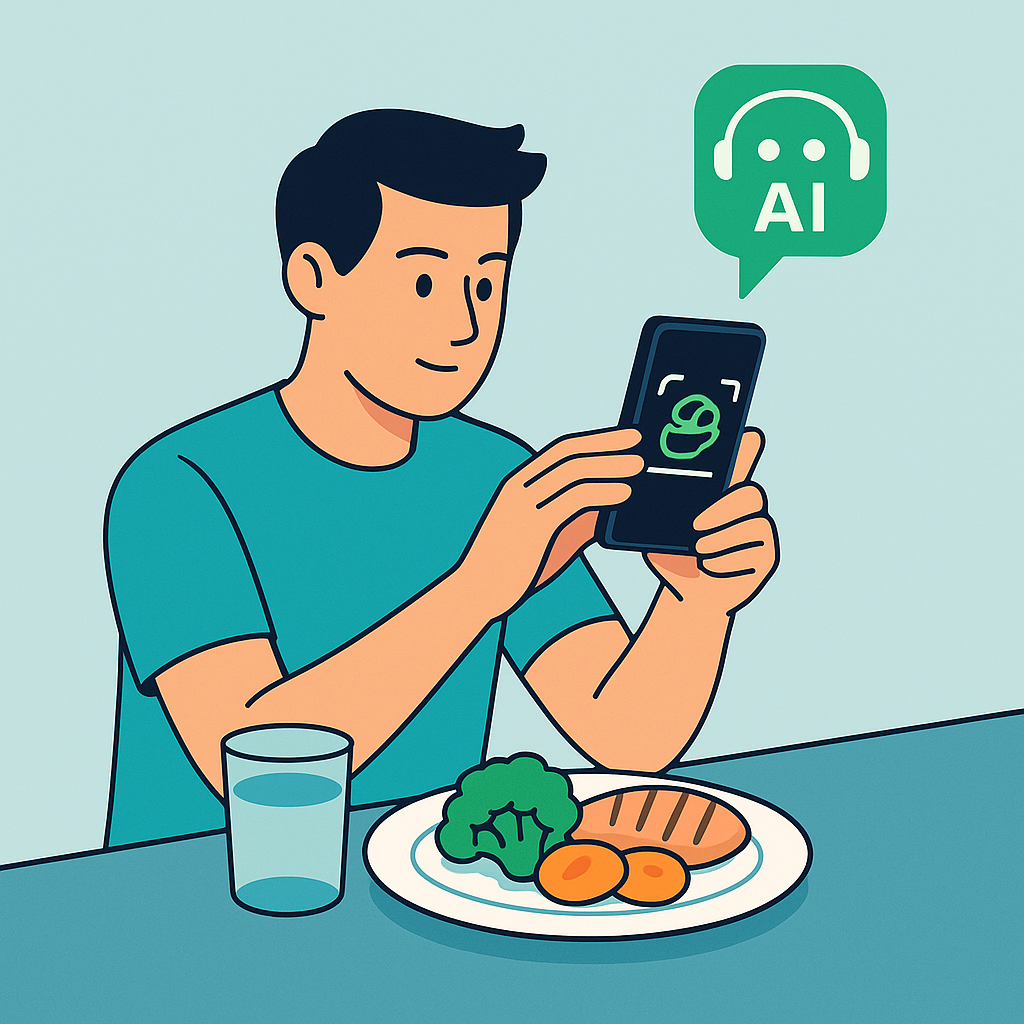
At first, I was skeptical, so I tested it by weighing food myself and comparing results. To my surprise, it was usually within half an ounce of accuracy. That’s more than enough for sustainable AI weight loss without being overly strict.
The Results of AI Weight Loss
Over seven months, with steady calorie tracking and encouragement from ChatGPT, I lost about 15 pounds. Of course, there were hiccups:
- Sometimes ChatGPT “hallucinated” and gave me the wrong food breakdown.
- Occasionally, calorie estimates were slightly off.
But whenever I corrected it, ChatGPT quickly adjusted. The accuracy was good enough for me since I wasn’t obsessed with perfection—I just needed consistent guidance.
Lessons Learned From AI Weight Loss
By the end, I achieved what I set out to do: lose weight, maintain muscle, and prepare for my next rugby season. More importantly, I learned:
- Mindset is everything. AI can guide you, but you still need discipline.
- Food tracking matters. Even small changes add up.
- AI can personalize. ChatGPT adapted to my preferences and recovery needs.
AI not only helped me count calories but also introduced me to foods I enjoyed, workout programs tailored for ACL recovery, and a new perspective on balancing macros.
Why You Should Try AI for Weight Loss
If you’re considering losing weight but don’t know where to start, I highly recommend using some type of AI tool. Whether it’s ChatGPT or another platform, the guidance is powerful and accessible. Best of all, it’s affordable—and sometimes even free.
For me, AI weight loss wasn’t just about shedding pounds. It was about regaining control, staying motivated, and preparing for life after injury. If AI can help me bounce back from an ACL tear, it can help anyone build healthier habits.