The Hidden Costs of Free AI Tools: What You’re Really Paying
Discover the hidden costs of free AI tools—how your data, attention, and privacy become the real price you pay. Learn when free AI is safe to use.
1. The Illusion Behind Free AI Tools
Companies don’t build AI tools out of kindness. If a product is free, the business model is usually built on:
- Data harvesting (your prompts and behavior get stored and analyzed)
- Advertising (ads placed in or around the tool)
- Upselling (limiting free features to push you toward a paid plan)
Example: Think of free email services. Gmail is “free,” but your data is used to serve targeted ads. Free AI works in a similar way — your usage helps train the system or push you toward premium tiers.
2. The Real Currency of Free AI Tools: Your Data
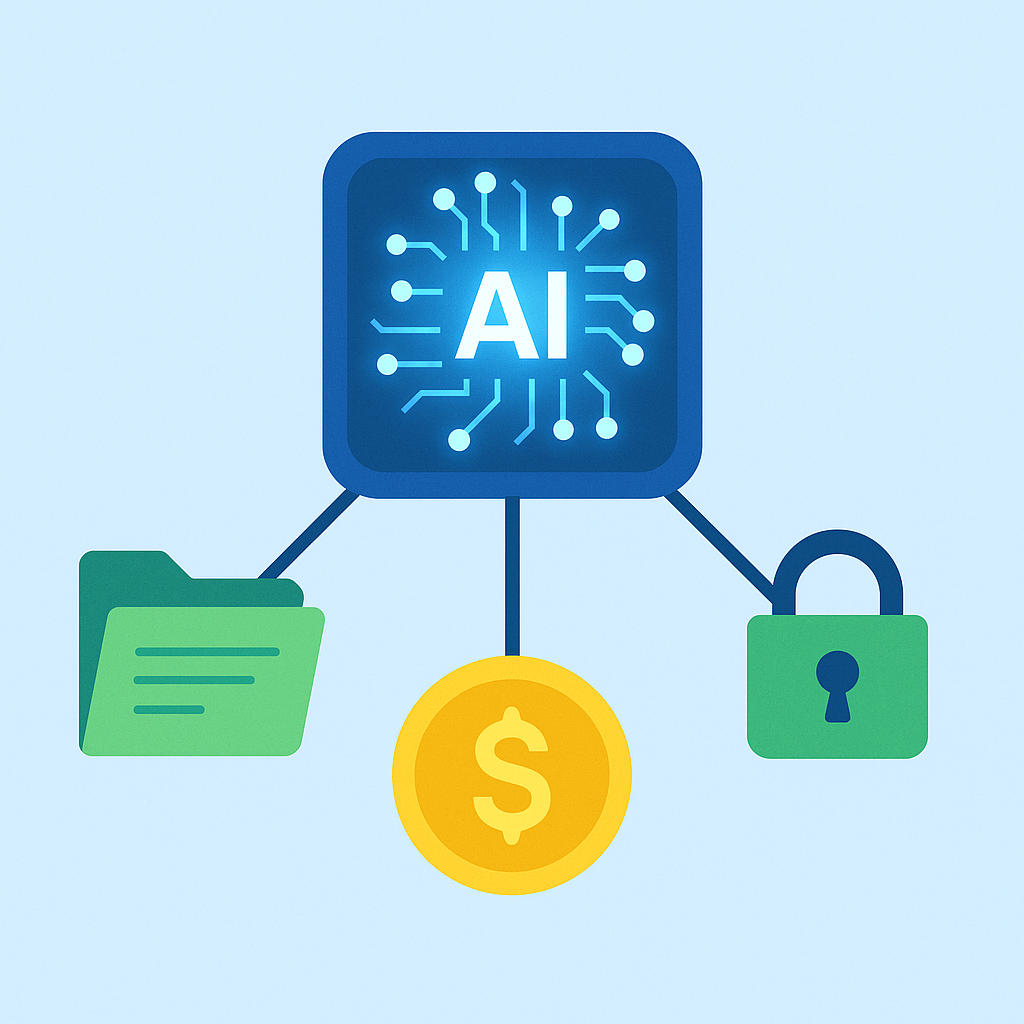
Every time you type into an AI chatbot, you’re feeding it information. That could include personal details, work documents, or even financial data.
Example: A free AI summarizer might save every PDF you upload — not just to give you an answer, but also to improve its model or share with “partners.”
Many people don’t read the Terms of Service, but lines like “we may share anonymized data with third parties” are common. Spoiler alert: anonymized data isn’t always anonymous.
3. How Free AI Tools Monetize Your Attention
Some free AI tools survive on ads — but ads don’t just clutter your screen, they can bias what you see.
Example: If you ask a free AI, “What’s the best budgeting app?”, don’t be surprised if it “recommends” whoever paid to appear at the top.
Even without ads, free AI tools often limit features to nudge you toward upgrades — turning your attention into a sales funnel.
4. Privacy and Security Risks of Free AI
Not every free AI app protects your data. Some lack encryption or transparency about whether your chats are stored forever.
Example: In 2023, Samsung employees accidentally leaked confidential source code by pasting it into a free AI tool. Once uploaded, it couldn’t be retrieved.
If major companies can slip up, it’s even easier for individuals to make the same mistake.
5. When Free AI Tools Are Fine — and When to Avoid Them
Free AI isn’t always bad. It can be great for:
- Brainstorming ideas
- Summarizing public info
- Experimenting with features
Avoid free AI when:
- Handling sensitive or financial data
- Working with business or client documents
- Relying on it for fact-checking
Example: Use a free AI to generate fun captions—fine. Use it for your tax return? Not worth it.
6. The Real Takeaway: Pay With Cash, Not With Trust
Free AI tools can be helpful for learning, but for serious work, privacy, or long-term projects, paid AI tools are safer.
Spending $10–20/month on a reputable AI saves you from risking your privacy, accuracy, or data.
Final Thought: Are Free AI Tools Really Free?
In the world of AI, you’re either the customer or the product.
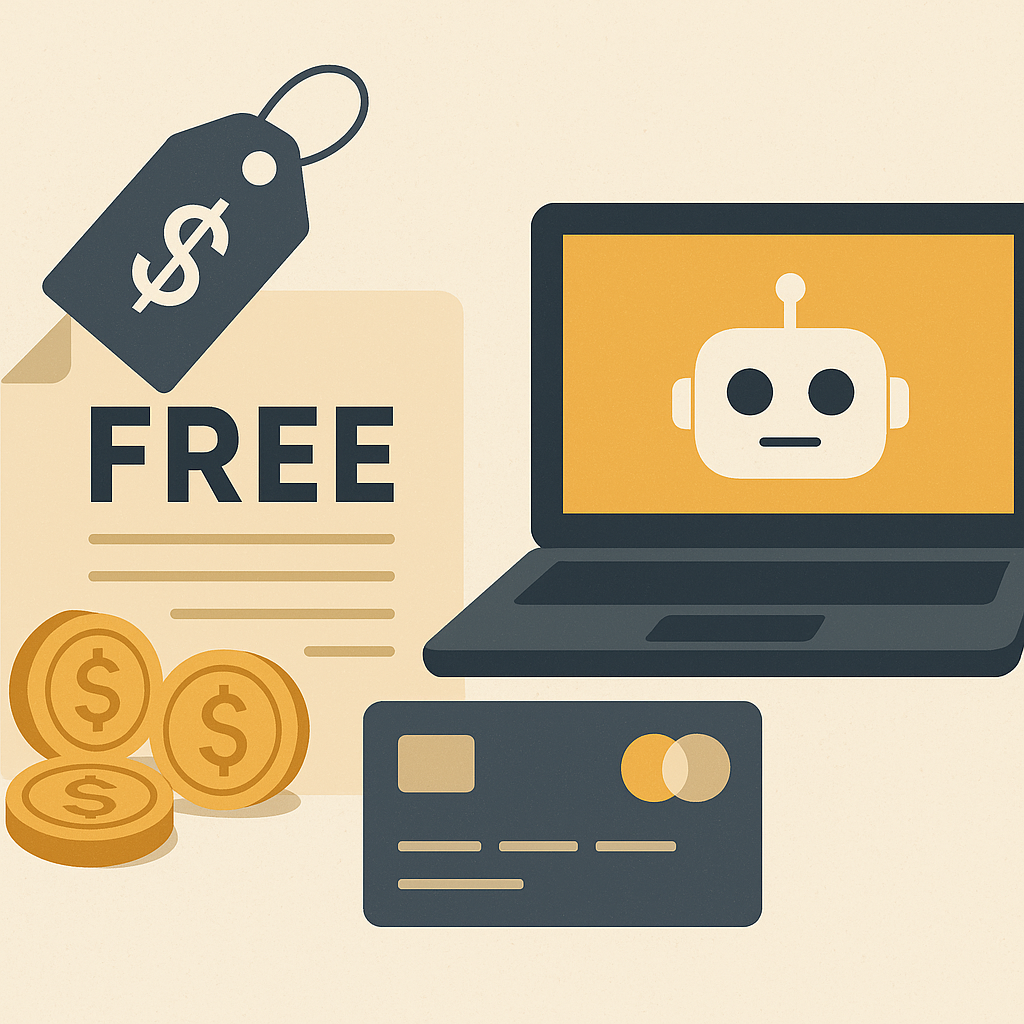
If you’re not paying with cash, you’re likely paying with your data, time, or trust.